Buying Land in Melbourne? 3 Things You Must Check Before You Purchase
You’ve checked the listings, compared the prices, and found a piece of land you can afford. But before you go any further, there are a few critical things on the title you need to check first -things that could completely change what you’re able to build.
In this guide (and video below), we walk through the three most important checks every property owner should make before purchasing land in Melbourne: Easements, Covenants, and boundaries.
1. Check for Easements
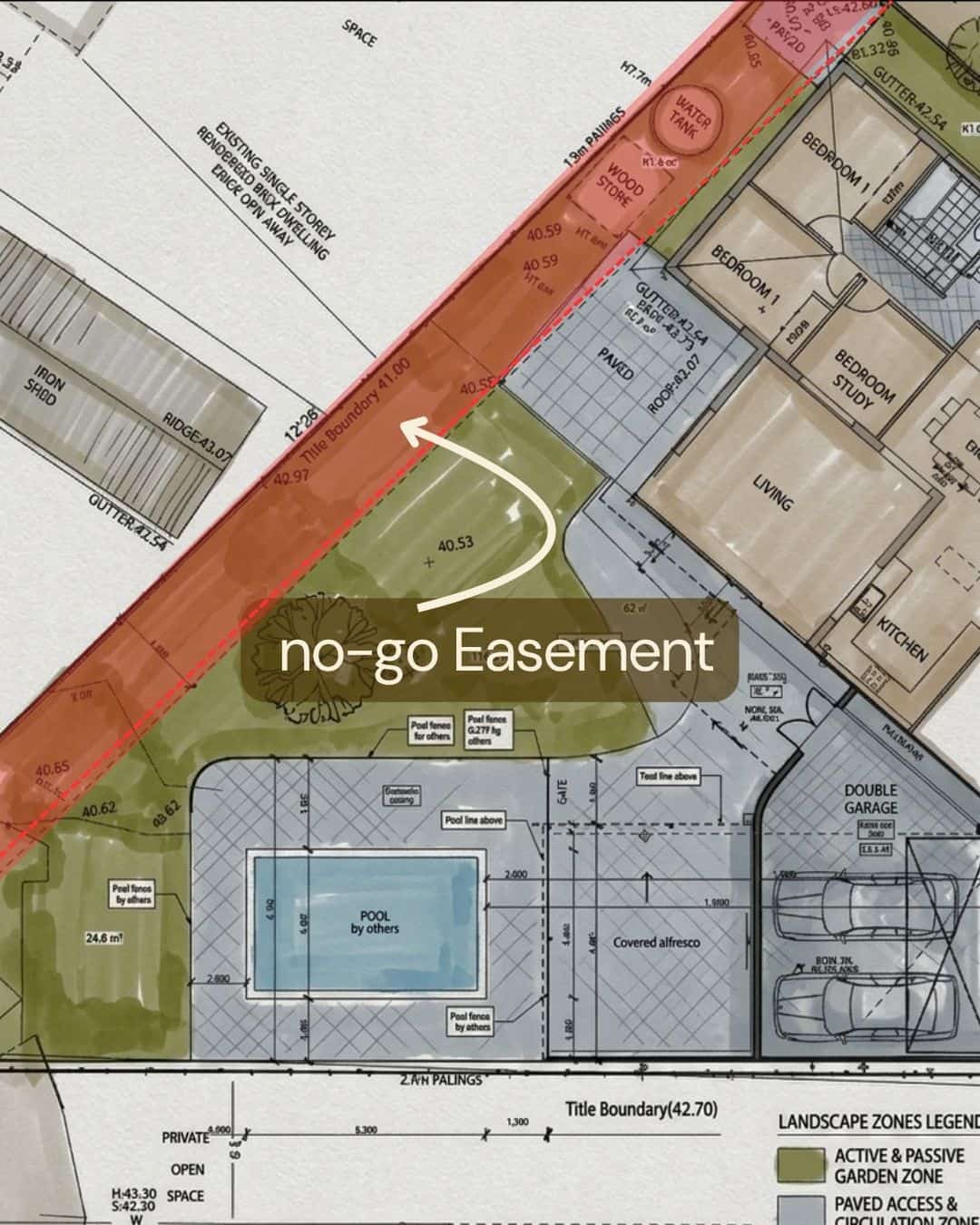
Easements are areas on a property, often containing underground pipes for sewage or stormwater, where building is restricted.
In most cases, 9 times out of 10, you won’t be able to build over an easement.
A common misconception is that easements only run along the back or side of a property. In reality, we’ve seen easements cutting straight across a block, significantly affecting design and buildability.
Key takeaway: Always check the title for easements before purchasing, as they can heavily restrict your building footprint.
2. Check for Covenants
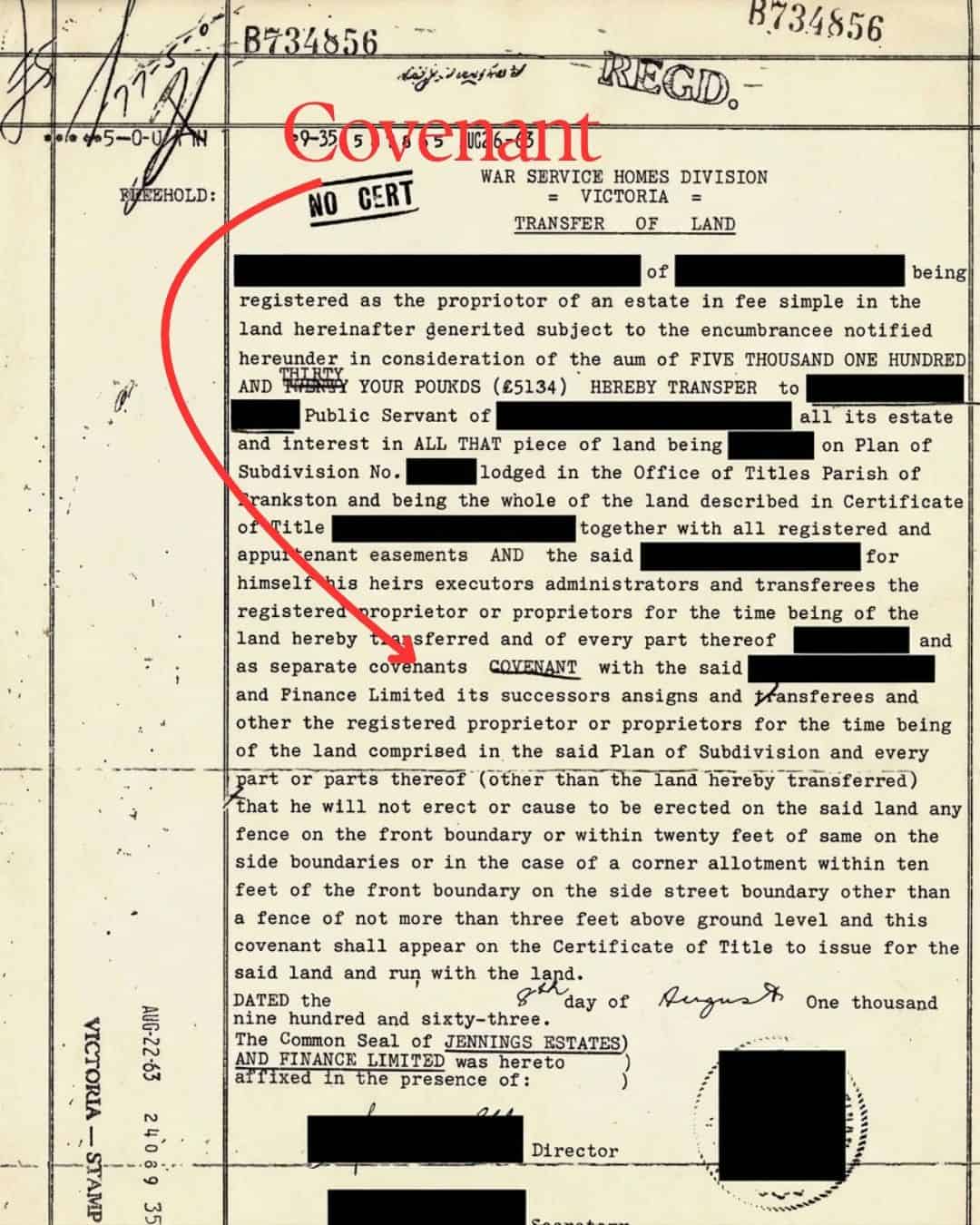
A covenant is a restriction that may or may not apply to your land. Two of the most common covenants to watch for:
Dwelling limits – restrictions on how many dwellings you’re permitted to build. We’ve worked with a client who purchased land intending to build six units, only to discover the covenant allowed just one single house.
Material restrictions- limitations on what building materials you’re allowed to use. These covenants are often old and can sometimes be lifted, but doing so takes time and money.
Key takeaway: Check covenants before purchasing to avoid costly surprises and ensure your development plans are actually feasible.
2. Check the Title Boundaries
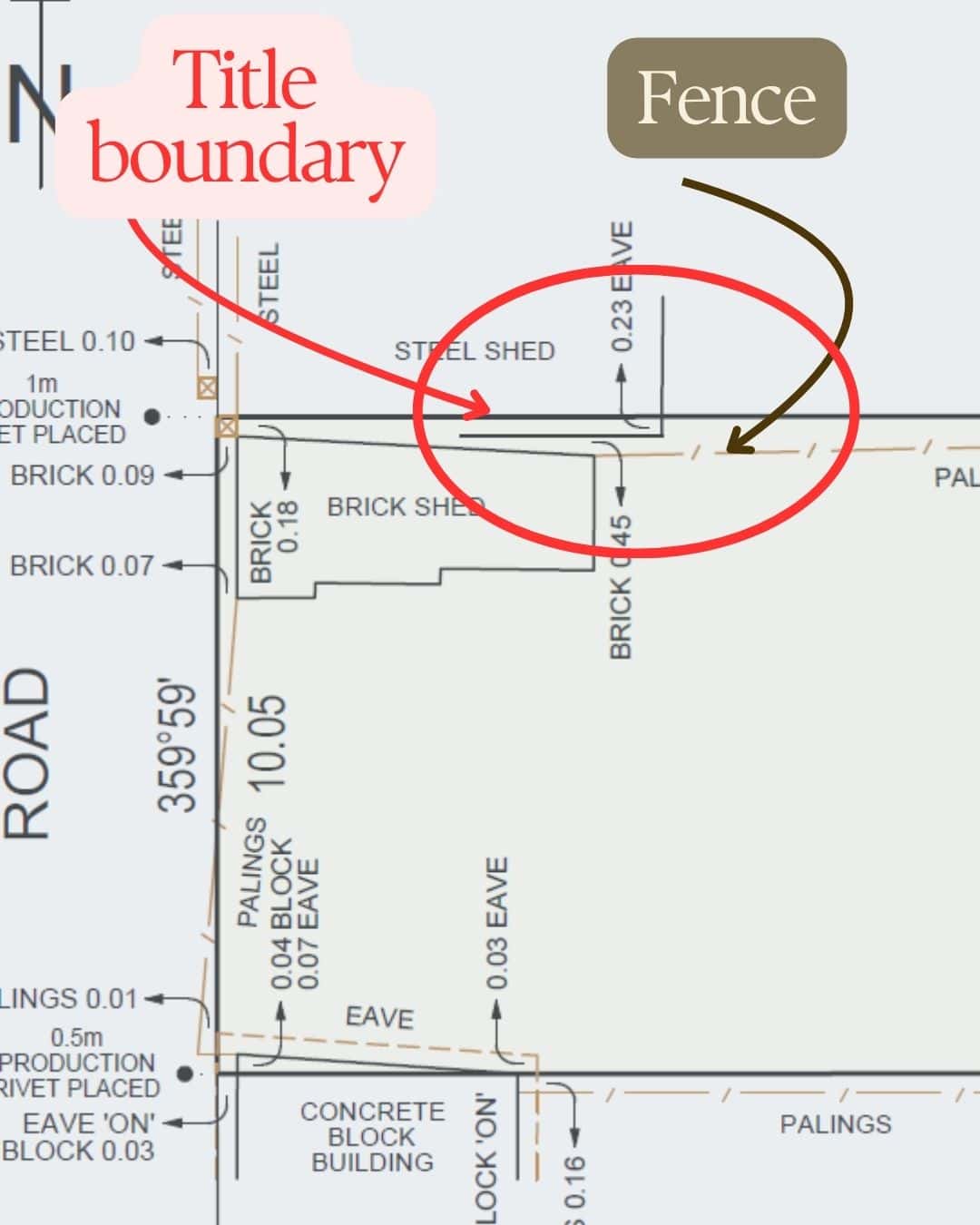
Fence lines are not always accurate boundary markers. In our experience, a fence can sit anywhere from a few centimetres to up to 2 metres off the true property boundary.
A discrepancy of 5–10cm is usually not a major issue.
Larger discrepancies can significantly affect your build and should be identified early.
At minimum, measure the site yourself as an early check. For certainty, a reestablishment survey conducted by a professional will confirm the true boundaries before you commit.
Key takeaway: Don’t assume the fence is the boundary — verify it before you build.
Frequently Asked Questions
Frequently Asked Questions
Do I need to check easements and covenants before making an offer? Yes — ideally before you make an offer, or at minimum during your due diligence period. Once a contract is signed, discovering a restrictive covenant or a major easement can be costly and difficult to resolve.
How do I find out what covenants apply to a property? A copy of the title, available through a title search, will show any registered covenants. In some cases, a solicitor or conveyancer can help interpret exactly what restrictions apply to your intended build.
What happens if the fence isn’t on the actual boundary? If the discrepancy is significant, it may reduce your usable land, affect setbacks, or require legal resolution with the neighbouring property before you can proceed with your design.