
Victorian House Australia. Victorian Architecture Style.
Victorian house generally means any house built between 1837 and 1901 during the reign of Queen Victoria.
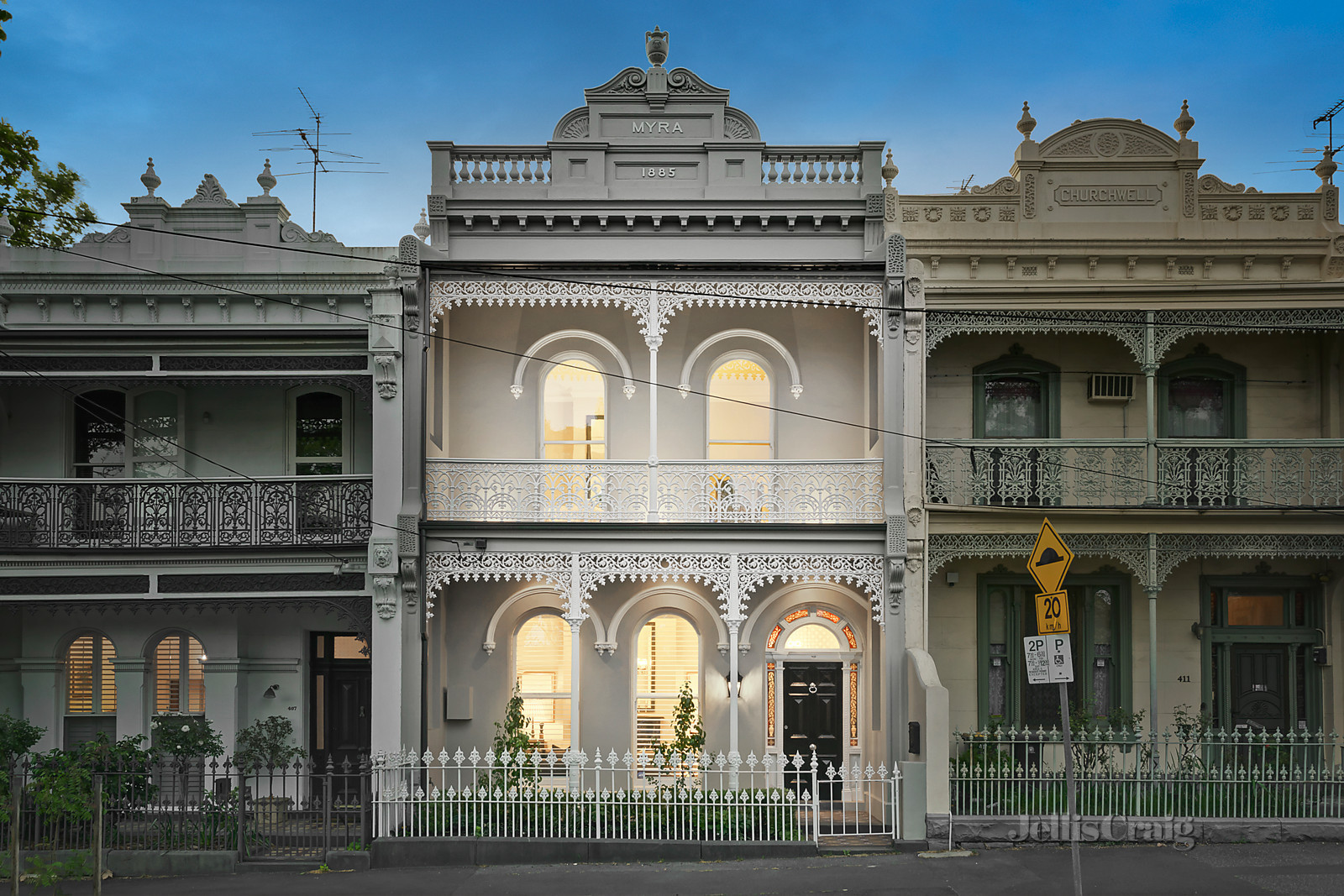
The Victorian Architecture of any period defined by house style as any style defined by the period.
Victorian house style was widely spread around the world and through the continents from Great Britain through Europe and Asia and to Australia. Started as simple settlement cottages with minimal (if any) decorative elements in course of more than 60 years they become more and more intricate in design and become one of the easy recognisable and highly desirable houses In Australia.
Victorian homes are some of the most admired in Melbourne which celebrated for their character, craftsmanship, and timeless street presence. But as I’ve seen with many homeowners, the charm often hides a challenge: layouts that don’t match modern living, dark central rooms, and kitchens that feel cramped.
Over the years, I’ve helped families transform their Victorian homes into spaces that work for today’s lifestyle, while preserving the details that make these houses unique.
Understanding your home’s Victorian era is the first step: it determines what can be changed, what should be preserved, and how your renovation can truly enhance the home.
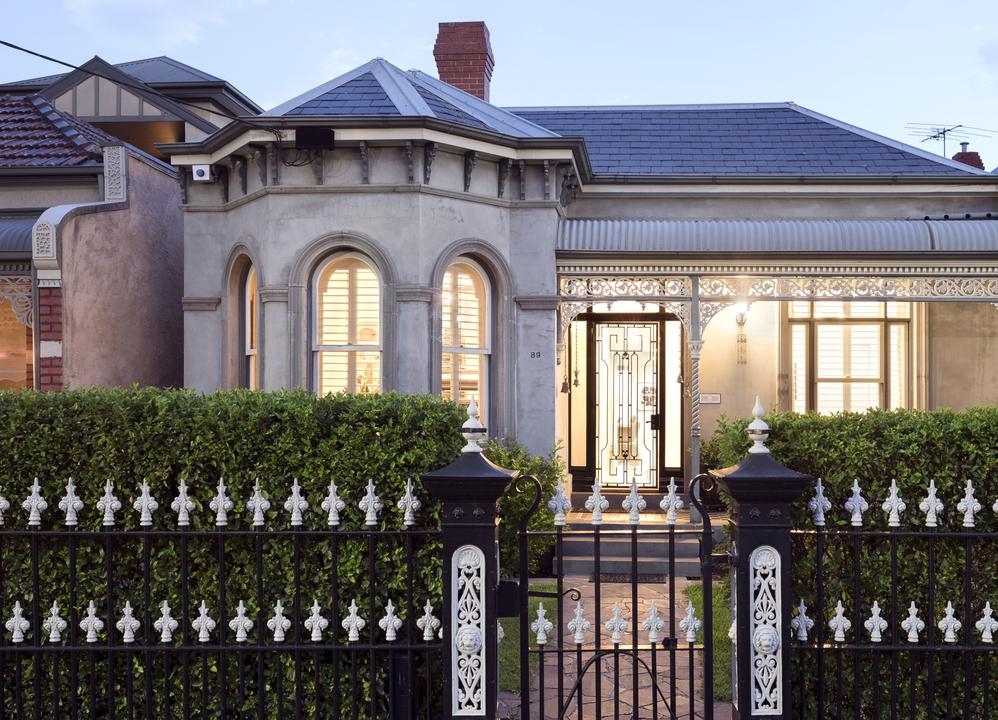
Some distinctive characteristics of a Victorian property in Australia are:
- Multi-coloured brick work and rendered facades.
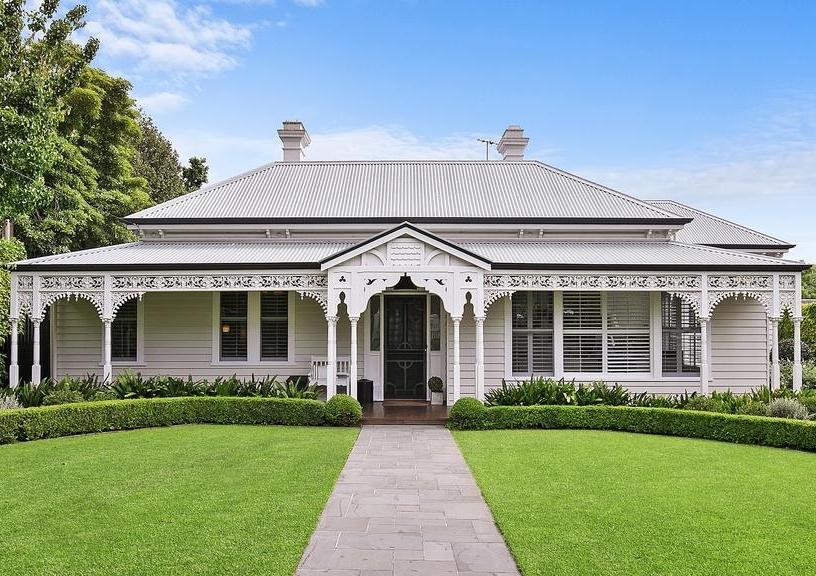
- High pitched roofs.
- Ornate Gable Trim.
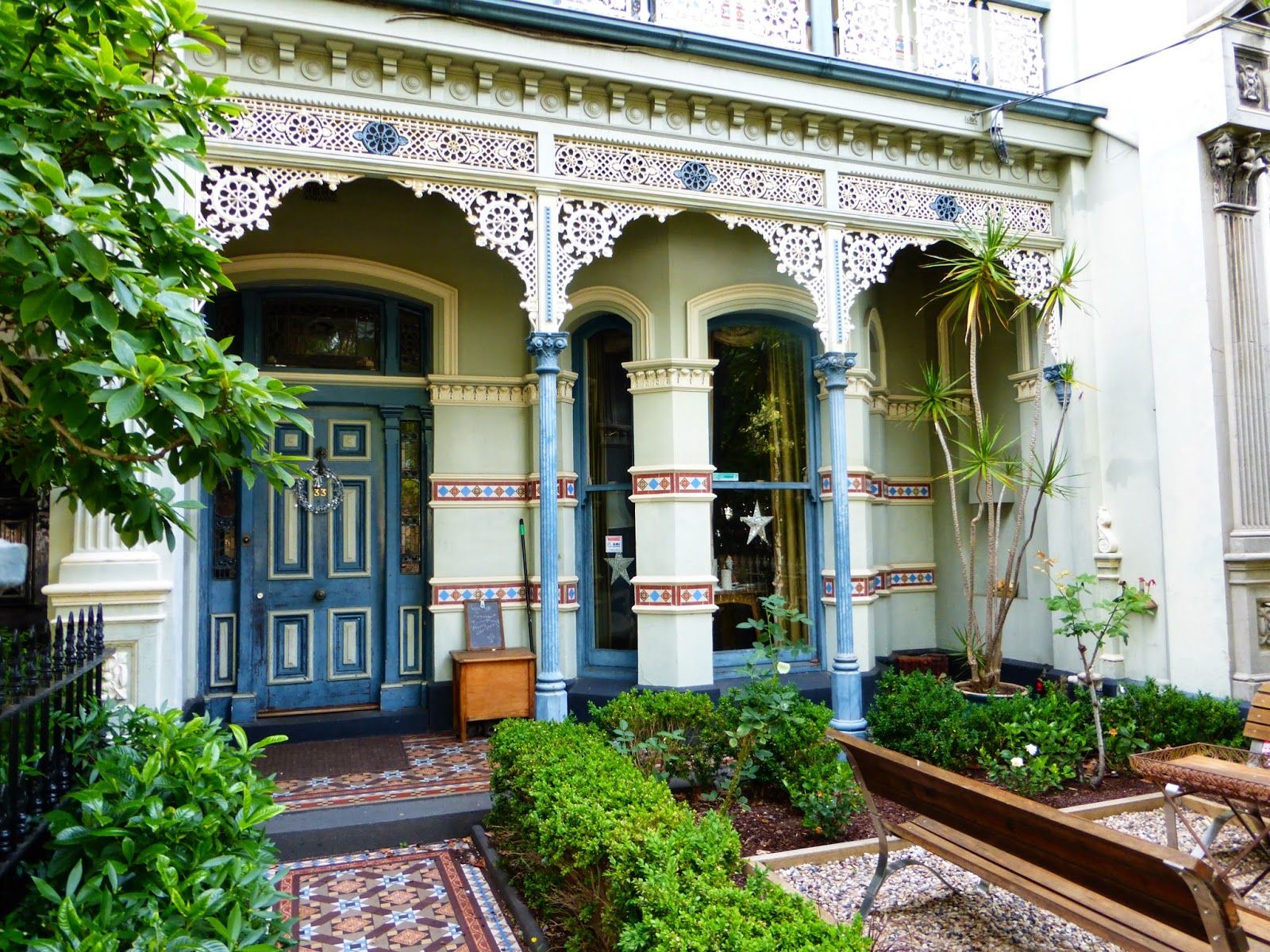
- Cast Iron Lace under the eaves.
- Verandahs and balconies with Cast Iron Lace.
- Cast Iron or Picket Fencing.
- Stained glass windows.
Valuable Victorian House Style features:
- Solid brick construction
- Natural timber floors
- Iron roofs
- High ceilings
- Ornate external detailing
- Internal detailing
During Queen Victoria’s reign there was an explosion in construction of solid brick quality houses examples of which are still be found in New South Wales, Victoria, Tasmania and South Australia today.
Victorian houses in Australia are considered to have three separate periods:
Early Victorian (1837-1860)
Australian Victorian houses built between 1837 and 1860 are simple freestanding cottages or terraced houses made of brick or weatherboard with mostly corrugated iron roof. Normally they have a simple floor plan with a plain verandahs and small front gardens behind the picket fence.
Mid Victorian (1860 -1875)
During this period Victorian houses are keeping the similar form but getting more decorated with greater level of ornamentation.
Facades become more elaborated. Decorative brickwork is combined with a use of stucco and plain render.
Timber verandahs at the front are very common and decorated with cast iron lacework and tile floors.
Terracotta tiles roof becoming as popular as corrugated iron.
Late Victorian (1875 -1901)
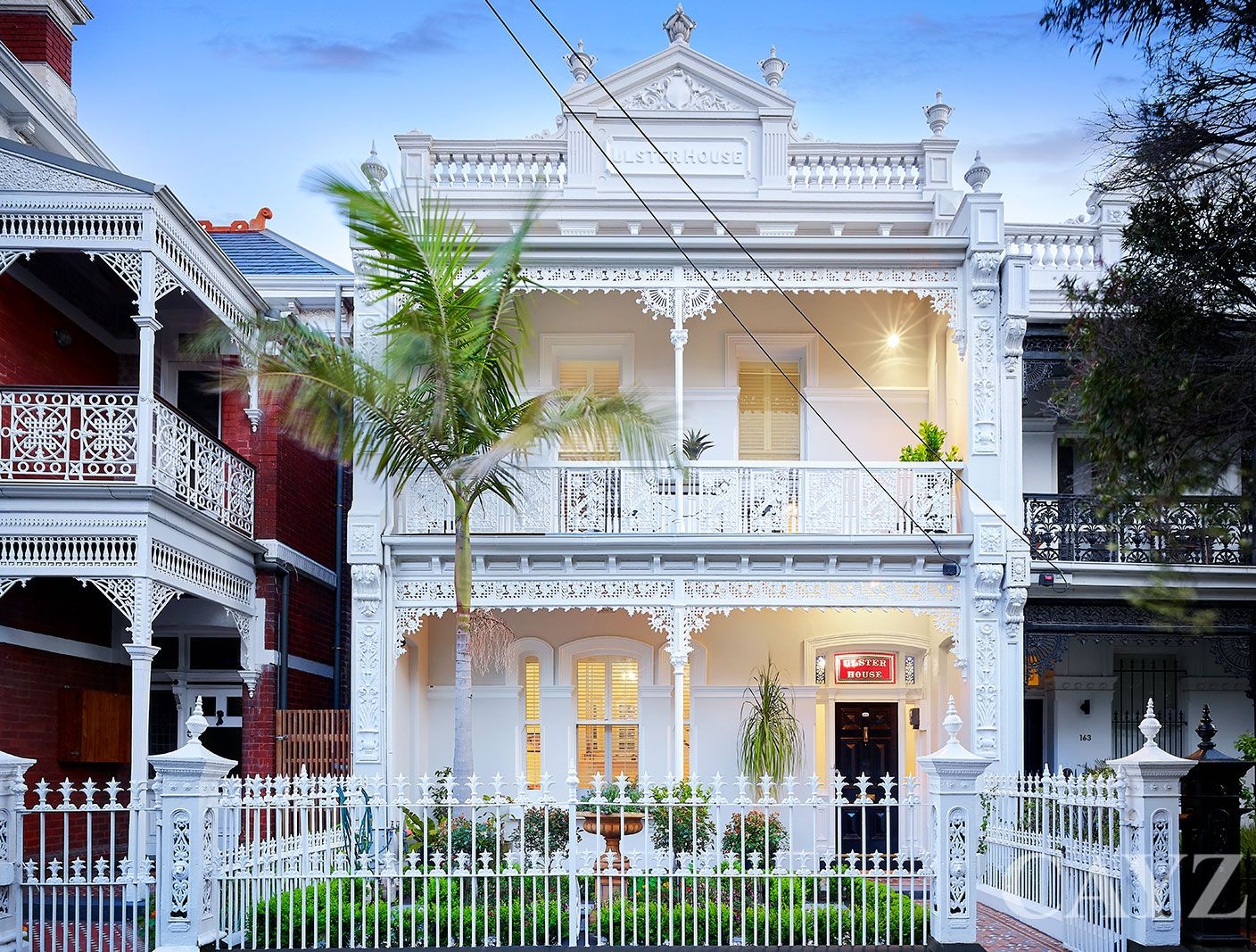
With increasing wealth of the state Victorian houses began to be more fashionable and exceedingly ornate incorporating various elements of the Italianate style.
Terraces became taller and incorporated ornamented parapets.
Verandahs with intricate iron lace work and front gardens enclosed with cast iron fences are still very popular.
Arches around doors and window are added and entrances are enhanced by decorated stained glass side window.. to enhance overall ornamental and very detailed interiors.
Why Victorian homes are often renovated
Victorian homes are admired for their character, craftsmanship and street presence, yet many were designed for a very different way of living. As lifestyles evolved, these houses often became misaligned with how families use space today.
Common challenges include narrow floor plans, small kitchens located at the rear, limited connection to outdoor areas, and darker central zones due to the original room arrangement. While the structure and proportions are typically strong, the layout can feel fragmented and restrictive.
In cities like Melbourne, where Victorian housing forms a significant part of the residential fabric, renovation and extension are often the natural next step rather than relocation.
Understanding the era of your Victorian home helps identify what can be reconfigured, what should be preserved, and where the greatest design opportunities lie.
Renovation opportunities by Victorian era
Each Victorian era presents different renovation potential.
Early Victorian (1837–1860)
Early homes are usually simpler in form with minimal ornamentation. This often makes them more flexible for internal reconfiguration. They are strong candidates for significant layout transformation and contemporary rear extensions while maintaining a modest street presence.
Mid Victorian (1860–1875)
Mid Victorian homes introduce more decorative façades and verandah detailing. Renovation opportunities typically focus on improving flow, introducing light, and carefully balancing heritage character with modern interventions. Ceiling heights create strong potential for spatial quality and volume.
Late Victorian (1875–1901)
Late Victorian homes are more ornate and spatially generous, but also more sensitive to poorly considered alterations. They often offer excellent extension potential due to larger proportions, yet require a clearer strategy to integrate old and new without compromising character.
Common mistakes when renovating Victorian homes
One of the most common mistakes is focusing on aesthetics before strategy. Many renovations prioritise finishes while leaving the fundamental layout problems unresolved.
Another frequent issue is over-opening the original front portion of the house, which can diminish character and reduce long-term value. Victorian homes typically benefit from preserving the formal front rooms while concentrating transformation toward the middle and rear.
Poorly integrated extensions are also common — where the new addition feels disconnected in scale, light or circulation. This often happens when the design does not respond to the specific Victorian era.
Finally, underestimating heritage considerations can lead to redesign, delays, or compromised outcomes.
How architects approach Victorian extensions
Renovating a Victorian home begins with understanding the existing logic of the house not just its style, but how it was planned, how it receives light, and how circulation works.
“Before touching any space, I walk the house with clients. We map sunlight, circulation, and façade rhythm. On one Mid Victorian, this simple exercise revealed the perfect spot for a rear extension without touching the ornate front verandah. It’s these small insights that make a big difference.” – Kate, Architect
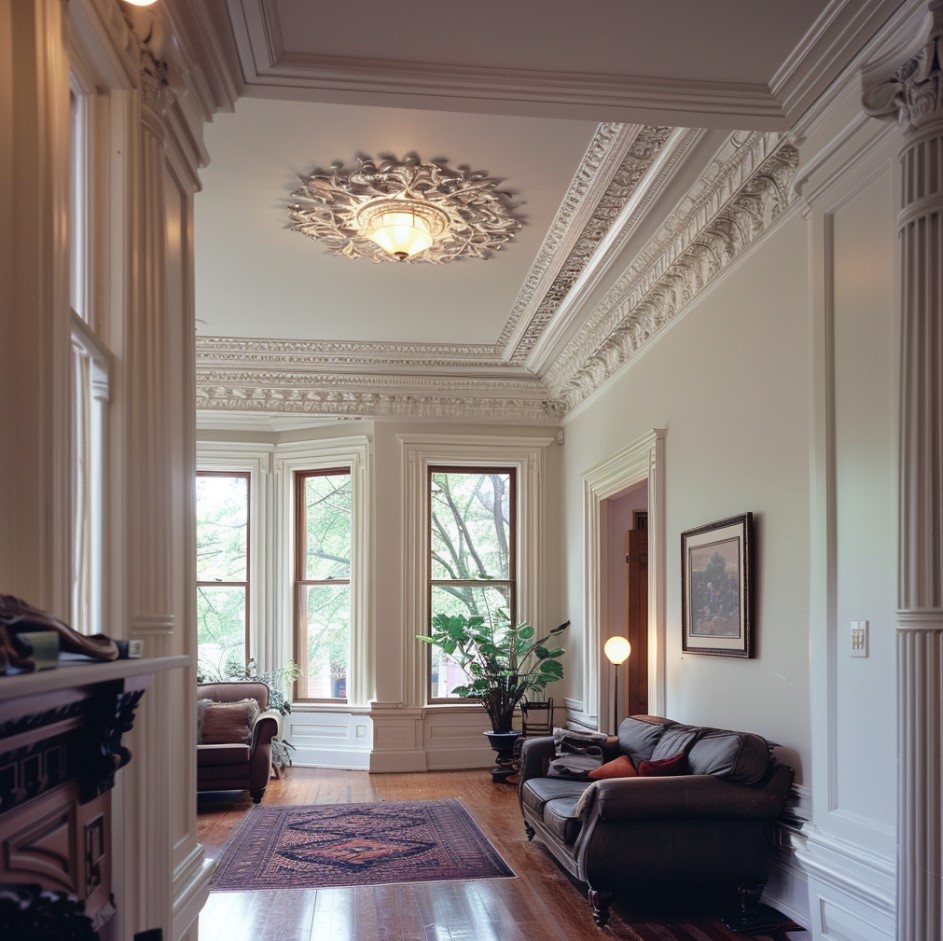
By the Late Victorian period, homes had evolved beyond basic functionality to become symbols of status and style.
This era saw the influence of multiple architectural styles, including Gothic Revival and Italianate, leading to grand, eclectic homes with a strong emphasis on decorative features.
Intricate plasterwork, including cornices, ceiling roses, and archways, added a sense of refinement to the interiors, while fireplaces became more elaborate focal points within rooms. Exteriors, too, showcased complex details, with facades featuring polychromatic brickwork, ornate gables, and elaborate iron lacework that contributed to the architectural splendor of Victorian homes. These design elements not only made a statement about the owner’s social standing but also created an enduring legacy that continues to inspire admiration today.
The rise of industrialisation during the Victorian period made many of these decorative elements accessible to a broader audience, as mass production allowed for more affordable architectural embellishments. This period’s emphasis on craftsmanship and aesthetic detail also led to the popularity of stained glass, with colorful, intricate designs enhancing entryways, bay windows, and transoms.
Interiors featured lush, patterned wallpapers, and rooms were often filled with rich fabrics, luxurious drapery, and carved wooden moldings. Victorian homes, particularly in Australia, became synonymous with elegance and refinement, blending comfort with opulence, and their enduring architectural beauty continues to captivate and define historical neighbourhoods across the country.
Read more about Victorian House Interiors
and Victorian Style Homes: The 10 Best Victorian Houses in Australia
Identify your Victorian era before renovating
After helping dozens of Victorian homeowners, I realised that knowing the era is half the battle. Each era comes with unique challenges and opportunities. I created a short quiz so you can quickly identify your home’s era — the first step to a renovation that actually works.